The Business of Belonging.
BY ROSARIO FRANCO
Everyone seems to want a club.
Fashion brands are hosting dinners. Running brands have run clubs. Stores are opening cafés. Beauty brands are organizing workout classes, and luxury houses are creating spaces where you can eat, drink, read, exercise, and occasionally shop.
Somewhere along the way, selling us a product stopped being enough. Brands started wanting us to belong to their world.
It makes sense. We spend so much of our lives online that having somewhere to actually go, meet people, and share an experience feels increasingly valuable. And for brands, creating that space can build a relationship with a customer that a campaign or Instagram post simply can’t.
The interesting part is that the product doesn’t always need to be at the center of it.

Miu Miu, for example, has been hosting its Literary Club in Milan since 2023. The latest edition centered around the work of Annie Ernaux and Ama Ata Aidoo, with conversations, readings, and live music. There are clothes behind the name, of course, but you’re not being invited somewhere to look at a new handbag. You’re being invited into a conversation about literature and culture.
That distinction is important.
A strong brand has always sold more than the thing itself. We buy into the people who wear it, the places associated with it, the music, photography, references, and lifestyle around it. What feels different now is that brands are finding ways to make that world physical, letting people participate in it rather than simply look at it.
Wellness has become particularly good at this. A yoga brand can host a retreat. A running brand can create a weekly run club. A fashion label can partner with a Pilates studio. Kith has taken the idea much further with Kith Ivy in New York, combining retail with padel, food, wellness, and hospitality under one roof.

You may discover a brand because you like the product. You stay because you like the world around it. However, we might be getting dangerously close to calling everything a “community.”
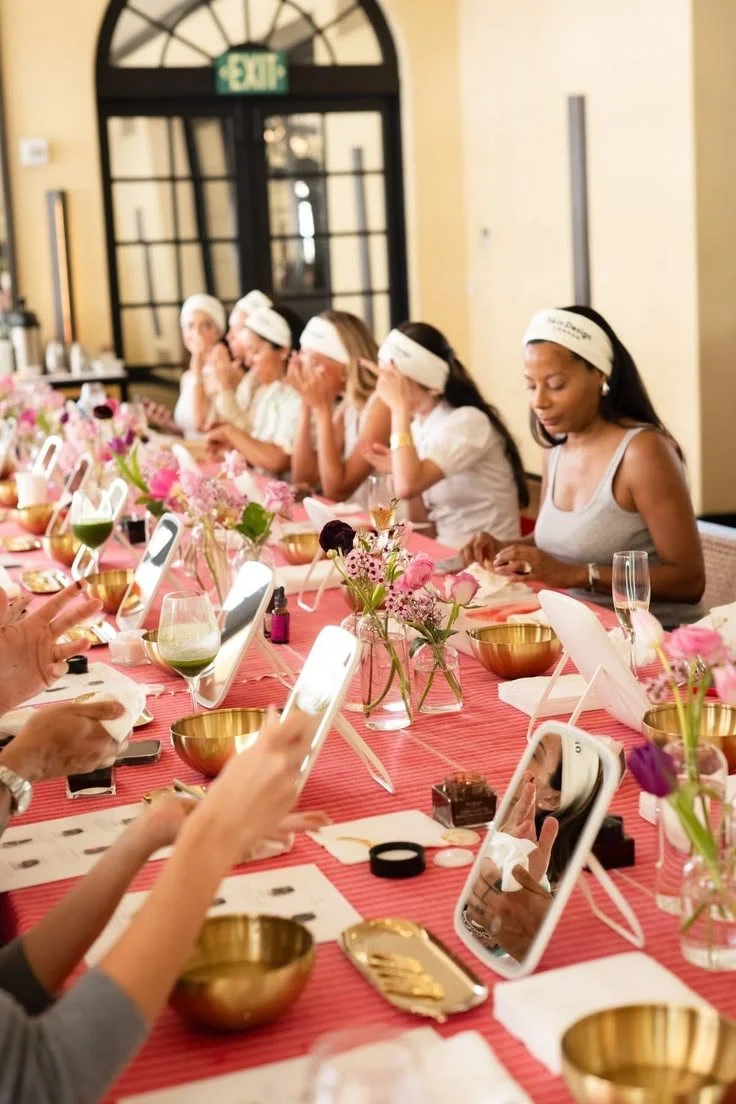
Put fifty people in a beautiful room, give them cocktails and a tote bag, and you have a great event. You don’t necessarily have a community.
To me, the difference is what happens between the people in the room.
If everyone’s relationship begins and ends with the brand, you have an audience. Community starts to feel real when people are also getting something from one another: friendships, conversations, ideas, professional connections, a shared hobby, or simply a reason to keep showing up.
It’s a subtle difference, but probably the reason some brand experiences feel natural while others feel like marketing with a nicer name.
The brands doing this well seem to understand that they don’t have to occupy every inch of the experience. Sometimes the smartest thing they can do is create the setting and then step slightly out of the way.
For a long time, luxury was very easy to communicate through objects. The right bag, watch, car, or pair of shoes could tell people exactly what you wanted them to know. Now, access itself is becoming part of that language.
There’s also something interesting happening with status.
For a long time, luxury was very easy to communicate through objects. The right bag, watch, car, or pair of shoes could tell people exactly what you wanted them to know. Now, access itself is becoming part of that language.
Being invited somewhere. Knowing about something before everyone else. Having access to a space, event, dinner, or experience that isn’t necessarily available on demand.
In some cases, the experience has almost become the luxury product.
I don’t think this means people suddenly care less about beautiful things. I certainly don’t. But objects can be copied, photographed, linked, resold, and delivered to your door. An experience is harder to reproduce. You had to be there.
And maybe that’s part of why belonging feels particularly valuable right now.
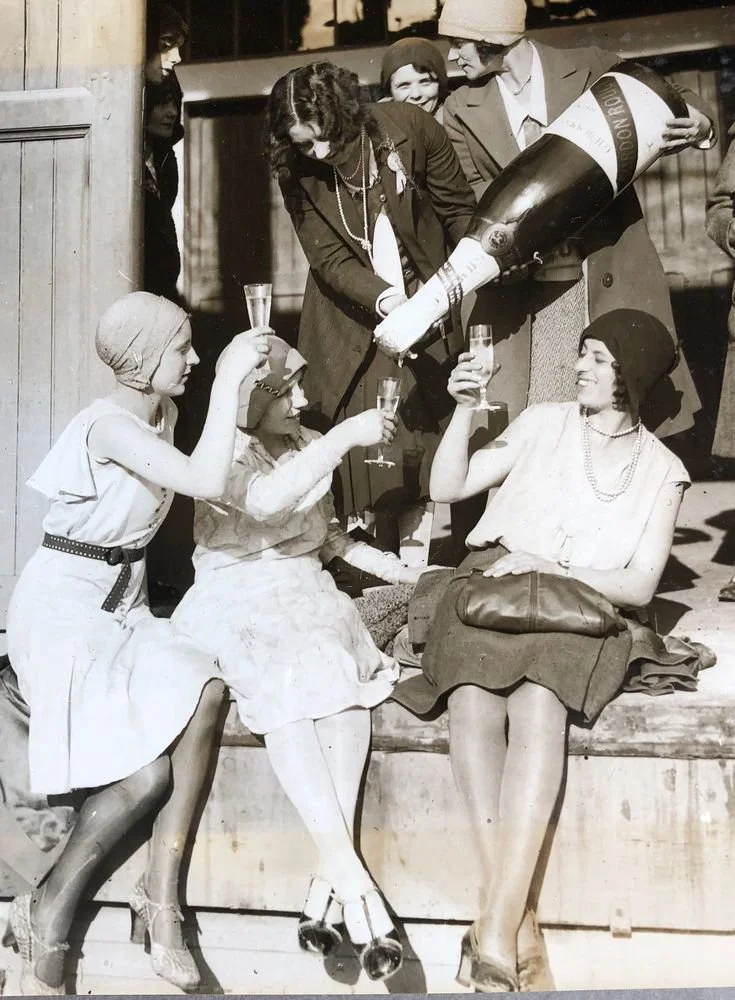
The funny thing is that none of this is especially new. People have always gathered around shared interests. Fashion has always had scenes, restaurants, parties, salons, clubs, and stores where certain people naturally found each other.
What’s new is how intentionally brands are trying to build those spaces themselves.
And there’s a real opportunity in that, as long as we don’t confuse exclusivity with belonging.
Getting into the room can make something desirable. Feeling like you have a reason to come back is what makes it meaningful.
The best version of brand community, to me, isn’t really about making people feel lucky to have access to a brand.
It’s about creating something they’re genuinely happy to be part of.
By Rosario Franco